
When Google Speaks AI, SEO Listens: The Inside Scoop on the 2025 Core Revolution

Google logo in front of a tech background saying Search Algorithm Updates

The Latest Google Updates: What Every Modern Traditionalist Needs to Know

It feels like Google’s algorithm refresh schedule has become more like a heartbeat—steady, expected, sometimes pounding—with the latest core updates rolling out across March, June, and August 2025.

In a world where digital upheaval is the new normal, there’s comfort—and strength—in knowing how search engines behave. Google’s evolving algorithm isn’t just about pageviews; it’s about stewardship, integrity, and the evolving pact between search engines and their users. Today’s SEO isn’t about chasing the latest trick—it’s about embodying trust, substance, and quality in an era when AI looms large.

So buckle up, tradition-minded strategist: this is a long-form, detail-rich guide through the latest terrain—with substance, narrative, and yes, even a light pun (because even wise marketers appreciate a little levity).

1. The Rise of AI Mode & AI Overviews: Search Gets a Brain-Upgrade

In March 2025, Google launched AI Mode—meaning search can now parse complex questions, analyze images, and serve up refined, context-rich responses. It’s not sci-fi; it’s search powered by Gemini 2.0. Initially available to Google One AI Premium users via Search Labs, it’s a sneak peek into AI-native search.

Meanwhile, AI Overviews are the flashy new feature on SERPs: bite-sized summaries for complex queries. Critics call it traffic midas-touch—or mid-hit. But Google’s head of Search, Liz Reid, is playing boss-level PR:

“Overall, total organic click volume from Google Search to websites has been relatively stable year-over-year… average click quality has increased…” The Verge

So yes, while Google’s becoming smarter, Reid assures us the web’s still very much in the loop—at least for now.

2. Dual Core Updates of 2025: March and June Upend Old Assumptions

March’s 2025 Core Update ushered in a renewed focus on relevance and user intent—taking aim at automated fluff and mass-produced content.

Then on June 30, Google rolled out a global core update that ran through mid-July. The emphasis? E‑E‑A‑T (Experience, Expertise, Authoritativeness, Trustworthiness), structured content, and AI-readiness. Here’s Google’s playbook: create deep topic clusters, show your credentials, and make your content interface-friendly for both users and AI.

3. Ads in AI-Land: Monetizing the Mind of Google

Yes, there are ads coming to AI Mode. As Reid notes:

“We’re about to start rolling out ads in AI Mode. At this point, we don’t know [how it’ll perform].” The Verge

So soon, your search results might look like a classy train station—helpful pointer boards mixed with paid directions.

4. Pushback from the Web: Content Creators Sound Alarm

Critics warn the web’s golden age may be fading as AI Overviews bypass traditional content, jeopardizing traffic and ad revenue. Cloudflare’s CEO Matthew Prince likened it to Netflix levels of disruption: “a cooperative model where AI companies compensate creators” is needed to keep the web alive, not just aggregated.

Meanwhile, publishers fear “catastrophic” hits to revenue—unless Google’s AI link game steps up.


Why This All Matters for Your SEO Strategy

  • Think in Dual Dimensions: Optimize for classic SERPs and AI-rich responses. Your content should satisfy both humans and algorithms.
  • Quality Trumps Quantity: Thin content isn’t just outdated—it’s endangered. Build authority, block by block.
  • Monitor—but Don’t Panic: Core update volatility is normal. Use data, stay calm, and course-correct with purpose.
  • Design with AI in Mind: AI reads the web differently. Structure content for clarity: headers, snippets, FAQs.
  • Watch the Ad Horizon: If ads creep into AI Mode, your messaging may need to sharpen—and quickly.
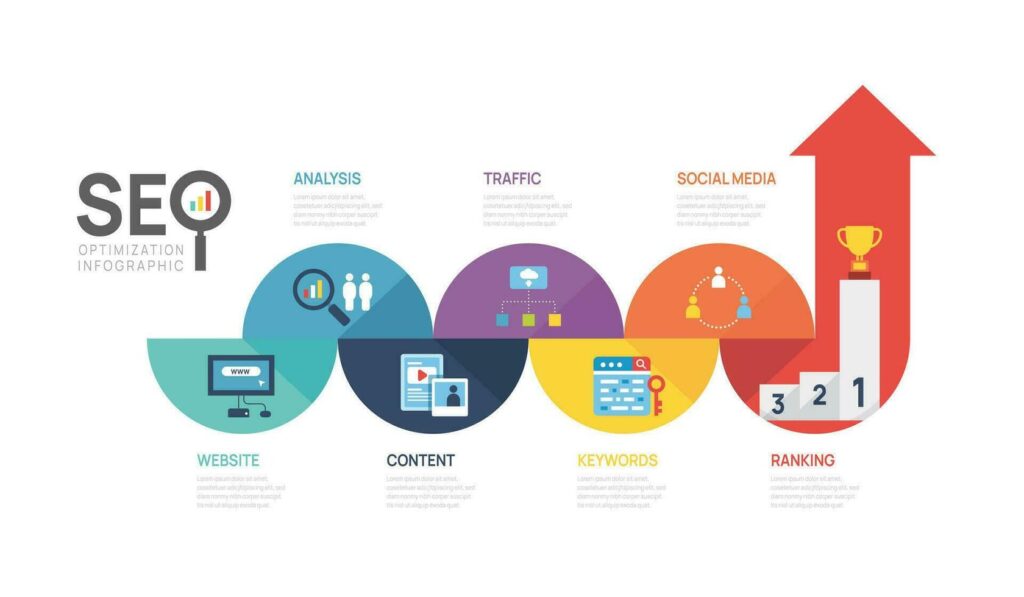
Infographic showing seo techniques for business websites

Strategic Takeaways for Your Website

StrategyAction
Build Topical AuthorityCreate comprehensive clusters around core themes. Depth beats density—don’t be a one-hit keyword wonder. slideshare.net
Optimize UX RelentlesslyPrioritize page speed, mobile usability, and layout stability. Use tools like PageSpeed Insights to guide you.
Elevate E-E-A-TLet your expertise shine—include credentials, original case studies, and cite trusted sources.
Design for DiscoverInvest in compelling visuals, avoid over-the-top headlines, and keep content fresh and credible.
Dual-Channel SEOCraft content that performs both on traditional SERPs and AI-generated summaries. Think “search-ready” and “AI-friendly.”


If you’ve been wondering why your website traffic has jittery jumps or gentle dips—blame it on Google being Google. The combined effect of core updates, Discover tweaks, Core Web Vitals, E‑E‑A‑T pressures, and AI-driven query parsing means SEO today isn’t just about keywords—it’s about user trust, speed, authority, and context.

Or, as a classicist might joke, Google didn’t insert a comma before changing my SERP ranking—but it sure had me rewriting my SEO strategy anyway.


Sources

  • https://nypost.com/2024/05/16/googles-ai-powered-search-engine-could-be-catastrophic-for-publishers