

The Smart Marketer’s Guide to Emojis: History, Best Practices, and When (Not) to Use Them
Emojis are no longer just fun add-ons to text messages — they’ve become a global visual language used by individuals, brands, and even governments. When used well, they make your message warmer, clearer, and more relatable. When used poorly, they can confuse, misrepresent, or even damage your brand’s credibility.
In today’s digital-first world, knowing how to use emojis strategically can help your business stand out while still maintaining professionalism. This guide walks through their history, modern marketing applications, and the smart rules for using them across platforms.
The Evolution of Emojis — From Cellphones to Boardrooms
Before emojis, there were emoticons — the simple 🙂 and 😛 typed out with punctuation. In 1999, Japanese designer Shigetaka Kurita created the first official emoji set for NTT DoCoMo’s i-mode service. These tiny 12×12-pixel designs were meant to add emotional context to text-only mobile communication.
By 2010, emojis were standardized by the Unicode Consortium, which allowed them to appear consistently across different operating systems and devices. What began as a novelty became a core part of digital culture. In fact, emojis now number in the thousands, and new ones are added every year to reflect social changes and cultural diversity.
For marketers, the standardization of emojis opened new doors. Businesses could now use the same symbols in email subject lines, websites, and social media — a universal visual shorthand for tone and intent. But like any language, fluency and context are everything.
The Business Case for Emoji Marketing
Emojis in marketing aren’t about being trendy; they’re about being understood. Visual communication grabs attention faster and can increase engagement when used thoughtfully.
Studies have shown that email subject lines containing a single, relevant emoji can outperform plain-text equivalents. On social media, emojis consistently improve scannability and emotional connection. A simple sparkles emoji ✨ or checkmark ✅ can help a key point stand out among walls of text.
That said, emojis are not a shortcut for good copywriting. They amplify tone, but they don’t create meaning on their own. Brands that succeed with emoji marketing pair them with strong, concise language and consistent testing to ensure they enhance — not replace — the message.
Where (and Where Not) to Use Emojis
Each communication channel has its own rhythm and etiquette. What works on Instagram may not fit your company website or a B2B newsletter.
Social Media (Facebook, Instagram, LinkedIn, X, TikTok)
Social media thrives on emotion and immediacy, making it the perfect environment for emojis. They can act as visual punctuation that draws the reader’s eye or reinforces the sentiment behind your words.
Use them to highlight CTAs, add personality to captions, or create consistency in post themes (for example, always starting event posts with 🎉). But moderation matters. Overusing emojis looks unprofessional or desperate for attention. Preview posts on multiple platforms since each renders emojis slightly differently.
Websites and Blogs
On websites, emojis should be subtle and functional. A checkmark or lightning bolt can break up bullet lists or emphasize benefits, while a friendly icon can lighten long-form text.
Avoid using emojis in H1 or H2 titles, as it may affect SEO readability and accessibility. Think of them as accents, not design elements.
Email Marketing
Email subject lines are one of the most effective places for emojis — when used sparingly. A single emoji can increase open rates and convey tone, but too many can trigger spam filters or confuse readers.
Inside the email body, keep emoji use minimal and purposeful. Focus on clarity, deliverability, and consistency with your brand’s visual tone.
Print Material
Print is a different story. Emojis rarely translate well on paper, especially in professional or long-term materials like brochures or proposals. They can feel dated or out of place. If you want a similar effect, opt for custom icons that align with your brand’s design standards.
Which Brands Should (and Shouldn’t) Use Emojis
Not every brand should lean into emoji marketing — and that’s okay. The decision depends on your audience, tone, and objectives.
Best suited:
- Lifestyle, consumer, entertainment, hospitality, and wellness brands.
- Organizations targeting Gen Z, Millennials, or social-first audiences.
- Businesses aiming to humanize their tone and increase relatability.
Use with caution:
- Legal, financial, healthcare, or government organizations.
- Any sector where compliance, trust, and accuracy outweigh informality.
If your brand voice emphasizes authority, professionalism, or discretion, emojis should be used sparingly, if at all. On the other hand, if your marketing strategy revolves around approachability, energy, or community engagement, emojis can serve as valuable emotional cues. Here are some real life examples:
1. Domino’s Pizza – “Tweet-to-Order” 🍕 Campaign
Domino’s created one of the most iconic emoji-based marketing campaigns when they allowed customers to order a pizza simply by tweeting the 🍕 emoji. This bold move blurred the line between social media and e-commerce, showing how a simple symbol could trigger real-world transactions. The campaign boosted Domino’s social engagement, attracted media attention worldwide, and won the Cannes Lions Grand Prix Award for Creative Effectiveness.
🔗 Learn more: https://www.prnewswire.com/news-releases/order-dominos-via-twitter–emoji—-revolutionary-ordering-innovations-300086278.html
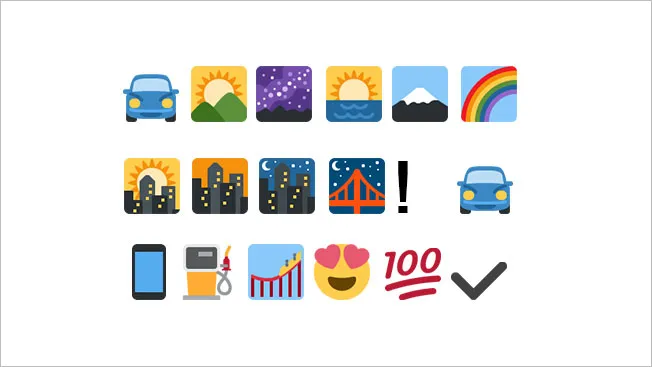
2. Chevrolet – Emoji-Only Press Release 🚗
Chevrolet took a creative risk when it released an all-emoji press release for its 2016 Cruze model. The goal was to spark curiosity among millennials and create a decoding challenge that drove massive online conversation. The press release was intentionally cryptic, forcing audiences to engage and interpret the message before Chevrolet followed up with an “official translation.” The strategy made headlines and was praised for blending humor, creativity, and digital fluency.
🔗 Learn more: https://www.adweek.com/creativity/chevy-cruze-press-release-written-all-emojis-because-words-alone-cant-describe-it-165518/
3. Coca-Cola – #ShareaCoke Custom Emoji Campaign ❤️🥤
Coca-Cola became the first brand to partner with Twitter to launch a custom branded emoji. When users tweeted the hashtag #ShareaCoke, a mini Coke bottle emoji automatically appeared — a clever fusion of social engagement and brand recognition. This partnership generated over 170,000 mentions in 24 hours, significantly increasing reach and positive sentiment. Coca-Cola’s use of the emoji reflected a seamless blend of personalization, joy, and shareability that perfectly matched its brand voice.
🔗 Learn more: https://www.coca-colacompany.com/news/shareacoke-emoji-twitter-campaign
4. Lush Cosmetics – Sustainable Marketing with Emojis 💚🌍✨
Lush Cosmetics demonstrates how small and mid-sized brands can use emojis to humanize their messaging. Across Instagram and Twitter, Lush regularly incorporates emojis like 💚, 🌍, and ✨ to represent wellness, environmental awareness, and ethical beauty. Their posts use emojis as both visual punctuation and storytelling elements, reinforcing their sustainable brand mission while boosting engagement through an approachable tone.
🔗 See example post: https://www.businessinsider.com/how-lush-makes-emoji-bath-bombs-2019-2

How to Use Emojis Properly: A Channel-by-Channel Playbook
Think of emojis as part of your storytelling toolkit. They should never be the story — they should support it.
Social Posts & Ads
Limit yourself to one or two emojis per post. Position them at the start of a headline or at the end of a sentence for emphasis. For paid ads, A/B test emoji versions versus plain text to see which performs better. Always align the emoji’s tone with your copy.
Email Campaigns
In subject lines, one emoji can make your message stand out — but context is key. A single 💡 for a “Marketing Tips” newsletter feels relevant; three fire emojis in a B2B update look spammy. Test positioning, placement, and tone, and track conversion rates beyond open metrics.
Websites & Blogs
Keep emojis accessible and secondary to the text. Screen readers interpret emojis literally (“sparkles emoji”), which can affect user experience. Use them to improve scannability, not to replace meaning.
Internal Communication
Within Slack, Teams, or project tools, emojis are effective shorthand for tone and feedback. They help maintain a human connection in remote environments — just be sure everyone understands the same visual language.
Bonus #1 — Top Emojis Used in Marketing
Here are some of the most frequently used and effective emojis in brand communication today:
| Emoji | Common Use | Meaning |
|---|---|---|
| 😂 / 😭 | Humor, relatability | Emotional reaction or community bonding |
| ❤️ / 🔥 / ✨ | Energy and excitement | Love, enthusiasm, or attention-grabbing emphasis |
| ✅ / 📈 / 💡 | Business-oriented | Achievement, growth, insight |
| 😍 / 🥰 | Brand loyalty | Emotional attachment or customer satisfaction |
| 🤝 / 🙏 | Relationship building | Partnership, gratitude, collaboration |
These work because they express universal emotions that transcend language barriers. But the golden rule remains: one emoji can strengthen your message; too many will dilute it.
Bonus #2 — The Meaning Behind Heart Colours
Heart emojis seem simple, but each colour carries a slightly different tone. Understanding the nuance can prevent mixed signals in marketing or customer service replies.
- ❤️ Red: Love, passion, and approval. Safe for almost any audience.
- 🩷 Pink: Friendship, warmth, and approachability.
- 🧡 Orange: Energy, encouragement, and creativity.
- 💛 Yellow: Happiness, positivity, and joy.
- 💚 Green: Health, sustainability, and balance.
- 💙 Blue: Trust, professionalism, and calmness — great for corporate or tech brands.
- 💜 Purple: Luxury, imagination, and community.
- 🖤 Black: Edginess, elegance, or sorrow; use sparingly.
- 🤍 White: Simplicity and sincerity.
For brands, choose heart colours that align with your brand’s emotional tone and visual palette.
Bonus #3 — Where to Find Emojis
If you’re wondering where to find high-quality emojis for your marketing work, you have several options.
Built-In Tools:
- Windows: Press Win + . to open the emoji panel.
- Mac: Press Control + Command + Space for the emoji viewer.
- iPhone / iPad: Enable the Emoji keyboard under “Settings → General → Keyboard.”
Online Resources:
- Emojipedia for definitions and design previews.
- GetEmoji and EmojiCopy for quick copy-and-paste access.
- Unicode.org for the official emoji list and release notes.
Bookmark one or two of these to ensure consistent, accurate usage across your marketing materials.
Five Golden Rules for Brand-Safe Emoji Marketing
- Keep clarity first. Your copy should still make sense if the emoji is removed.
- Limit to one per headline or sentence. A single accent reads as intentional.
- Preview everywhere. Emojis look different on iOS, Android, and Windows — always check rendering before publishing.
- Stay compliant. Follow email deliverability best practices; emojis don’t fix bad data hygiene.
- Test and iterate. Like any creative element, emoji performance varies. Track engagement, CTR, and conversion impact.
Final Thoughts
Emojis are a modern tool rooted in timeless communication principles — emotion, context, and clarity. Used properly, they humanize your brand voice, improve engagement, and help messages resonate across cultures and channels.
They don’t replace professionalism; they add dimension to it. Whether you’re sending an email, designing a landing page, or creating a social campaign, treat emojis like punctuation — small details that help your marketing speak more clearly and connect more deeply.
Sources
- MoMA: Shigetaka Kurita’s Original Emoji Set
- TIME: The Original Emojis Join the Museum of Modern Art
- Unicode Consortium: Full Emoji List
- Emojipedia: Emoji Versions & Stats
- Adobe: 2022 Emoji Trend Report
- Selzy: Research on Emojis in Email Marketing
- Meltwater: Top Emojis Used in Marketing 2023-2024
- Google Workspace: Sender Guidelines for Deliverability
- Preply/Axios: Most Misunderstood Emojis 2024
- Windows Support: Emoji Panel Shortcut
- Apple Support: Add or Use Emoji Keyboard on iPhone
- GetEmoji: Free Copy-Paste Emoji Resource
- EmojiCopy: Online Emoji Copy Tool